
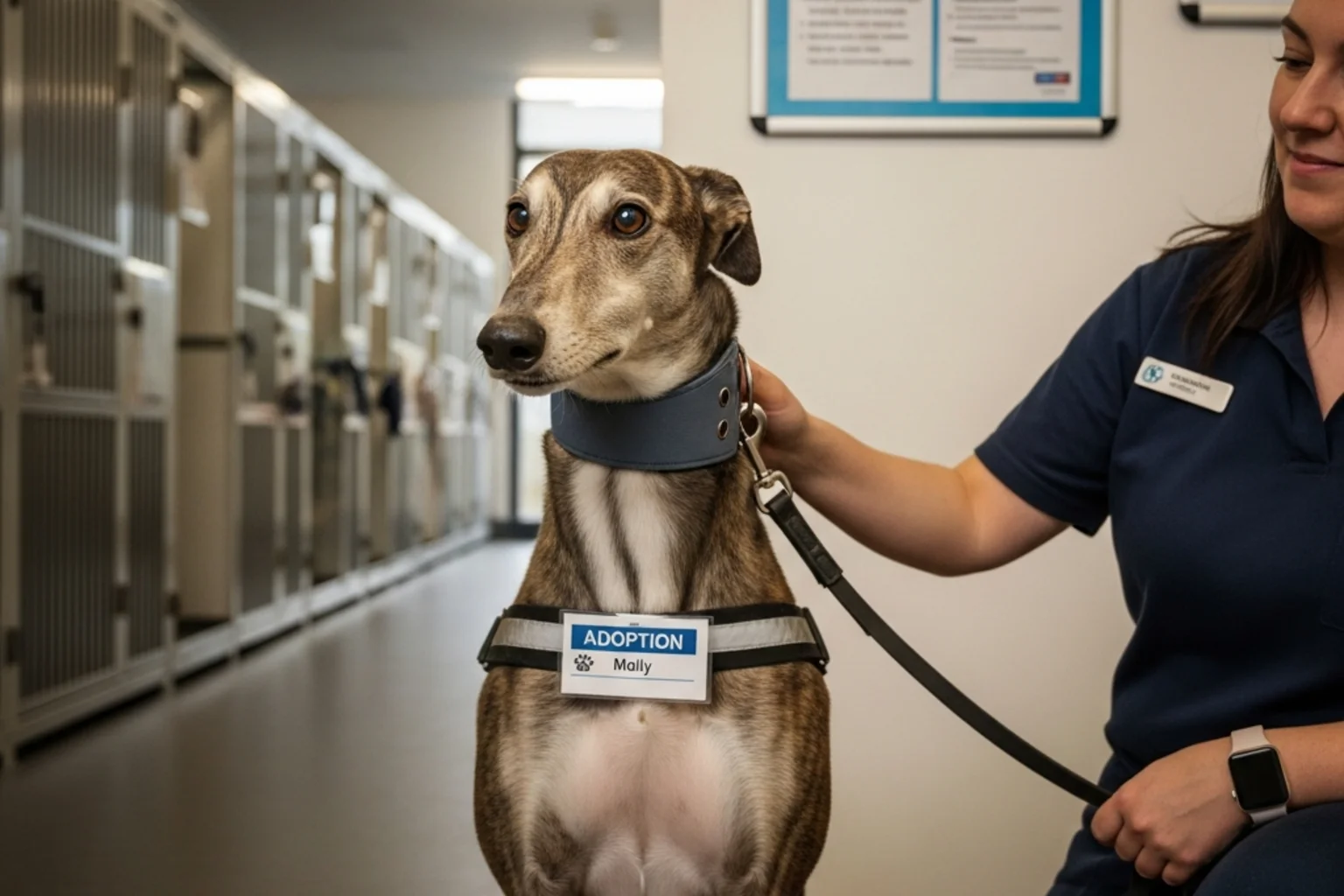
When racing greyhounds retire, they need homes. The UK has developed an extensive network of rehoming organisations dedicated to finding these dogs new lives as beloved family pets. Over 100 GBGB-approved homing centres operate across Britain, from large national charities with professional staff to small local rescues run by dedicated volunteers giving their time freely. The wider context is set out in our UK greyhound track results guide.
The scale of rehoming activity is substantial and growing. In 2024, 55.8 per cent of retired greyhounds passed through charitable organisations for rehoming, representing thousands of dogs finding new families each year. These organisations assess dogs carefully, provide necessary veterinary care, and work to match them with suitable adopters who understand the breed’s particular characteristics.
This guide covers the major rehoming networks, the important role of independent rescues, and how to find a centre near you if you are considering adopting a retired racer to join your household.
The Greyhound Trust
The Greyhound Trust is the largest greyhound rehoming charity in Britain. Operating through a network of branches across England, Scotland, and Wales, the Trust rehomes thousands of dogs annually. Each branch functions semi-independently while adhering to national standards for assessment and adoption processes that ensure consistency across the organisation.
Branches are staffed primarily by volunteers who provide foster care, conduct home checks, and support adopters through the transition period. The commitment of these volunteers keeps the network functioning effectively. Without their unpaid labour, the scale of rehoming currently achieved would be impossible to maintain.
The adoption process through the Trust involves initial enquiry, home check, matching with a suitable dog, and follow-up support after adoption. Dogs receive thorough veterinary assessment and any necessary treatment before being placed with new families. The Trust aims to match dogs with appropriate homes rather than simply moving animals as quickly as possible, prioritising long-term success over rapid turnover.
Adoption fees help cover veterinary costs and operational expenses for the organisation. These fees vary by branch but typically include neutering, vaccinations, microchipping, and basic health checks. The fee represents a fraction of actual costs, with the remainder covered through charitable donations and fundraising activities throughout the year.
The Trust also provides extensive education about greyhounds as pets. Many people unfamiliar with the breed assume they need extensive exercise or cannot live with other animals safely. In reality, retired racers often adapt remarkably well to home life, content with moderate exercise and substantial couch time. The Trust works actively to dispel myths that might discourage potential adopters from considering the breed.
Critics of the racing industry sometimes view rehoming charities as enabling continued racing by cleaning up welfare problems that the industry creates. Eve Massie Bishop of OneKind has stated that the sport has cost the lives of 3,957 dogs since 2017, arguing that even successful rehoming does not justify the harms inflicted during racing careers. This tension between welfare improvement and fundamental opposition to racing runs through discussions of greyhound rehoming.
Independent Rescues
Beyond the Greyhound Trust, numerous independent rescues operate across Britain. These range from small operations run from private homes to established charities with dedicated facilities and paid staff. Some focus exclusively on greyhounds while others handle multiple sighthound breeds including lurchers and whippets.
Independent rescues often develop particular specialisations that complement larger organisations. Some focus on dogs with complex needs, such as those requiring extensive dental work or ongoing medical care that makes them harder to place. Others concentrate on specific regions, filling geographical gaps where larger organisations have limited presence. The diversity of independent rescues means dogs with varying needs can find appropriate placement.
Funding for independent rescues typically comes from donations, adoption fees, and occasional grants from charitable foundations. Without the national infrastructure and fundraising capacity of larger charities, these organisations frequently operate on tight budgets. Financial precarity is common, with rescues sometimes struggling to cover unexpected veterinary bills for dogs in their care.
The relationship between independent rescues and the racing industry varies considerably. Some maintain close working links with tracks and trainers, receiving dogs directly when racing careers end. Others position themselves more critically, accepting dogs but declining to work closely with industry structures they view as problematic. These different approaches reflect broader debates about reform versus opposition within the greyhound welfare community.
Quality varies across independent rescues, as with any sector relying on passion and limited resources. Most are run by committed people doing their best with what they have available. However, the sector is less regulated than might be ideal. Prospective adopters should research individual organisations carefully, checking reviews and if possible visiting facilities before committing to an adoption. A well-run rescue welcomes such scrutiny from potential adopters.
Finding Your Nearest Centre
The Greyhound Trust website provides a branch finder tool that locates centres by postcode. Enter your location and the site returns nearby branches with contact information and details about their operations. This is the quickest way to find Trust-affiliated rescues in your area.
For independent rescues, online searches combining greyhound rescue with your region or county typically surface local options. Social media pages often provide current information about available dogs and adoption procedures. Facebook groups dedicated to greyhound adoption can connect you with rescues that might not appear in standard searches but serve your area effectively.
Regional greyhound forums and enthusiast communities often maintain lists of reputable rescues based on collective experience. These community-curated resources benefit from collective knowledge about which organisations operate reliably and which might be less suitable. Long-standing community members can recommend specific rescues based on direct experience with their processes and outcomes.
Some tracks maintain relationships with particular rescues and can direct retiring dogs to specific organisations. If you have connections to a local track, asking staff about affiliated rehoming centres might identify options you would not otherwise discover through general searching. What adoption involves is in adopting a retired greyhound.
Before approaching any rescue, consider honestly what you can offer. Available space, other pets, children in the household, work schedules, and your activity level all affect which dogs would suit your home. Having realistic answers to these questions ready helps rescue staff match you with an appropriate dog rather than wasting time on unsuitable pairings that would not work out.
The waiting process varies enormously between organisations. Some rescues have more dogs than adopters and can place quickly. Others maintain waiting lists for particular types of dogs. Patience may be required, particularly if you have specific requirements about age, colour, or temperament. The goal is finding the right match, not just any match, and that sometimes takes time. A good rescue would rather keep a dog longer than place it in an unsuitable home where the adoption might fail.
